Soot residue on walls or ceilings
Different surfaces and soot types require different cleaning methods. Ask about surface testing, safe containment and whether repainting is appropriate after cleaning.
Review safe next steps after a home fire in Apopka, including smoke damage, soot residue, cleanup, and restoration planning.
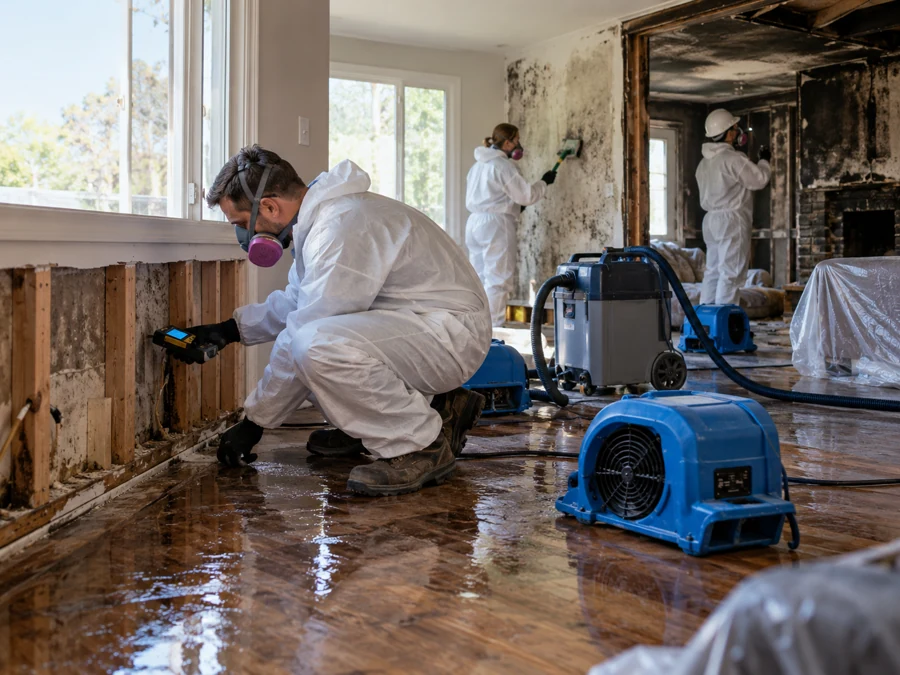
Do not enter a fire-damaged property until officials have declared it safe. Post-fire restoration may involve smoke, soot, extinguishing water and damaged materials.
Different surfaces and soot types require different cleaning methods. Ask about surface testing, safe containment and whether repainting is appropriate after cleaning.
Odor removal may require cleaning sources and affected contents rather than masking smells. Record which rooms and furnishings are affected.
Materials soaked during suppression can require extraction, drying or disposal. Water damage restoration may also be relevant.
Do not energize damaged circuits or appliances. Ask about professional electrical evaluation and any required approvals before restoring power.
Three useful things to check before discussing a visit.
Only after the fire department or other responsible officials indicate that entry is safe; damaged structures and utilities may remain hazardous.
Improper cleaning can smear or embed some residues. Have affected materials assessed before using aggressive products.
Water used to extinguish flames or cool materials can saturate building components, creating a separate drying and moisture-control need.
Find common repairs, installations and specialty work. Call to confirm what is available.
Examples of work to discuss, not a guarantee of provider coverage. Confirm availability, scope, licenses where required, and pricing.
Learn what to document and which questions to ask before arranging work.
Ask whether the specific work is available, and confirm scope and scheduling directly.


